
Most athletes push harder but miss the mark on training smarter. Knowing your exact lactate threshold changes that. This guide breaks down how pinpointing this key metric improves endurance training and sharpens your training intensity. You’ll learn to turn precise data into heart rate zones and pacing plans that fit your goals, whether prepping for a 5K or an Ironman. Learn more about lactate threshold training here.
Understanding the Lactate Threshold

To improve your performance, it’s essential to understand the role of the lactate threshold in your training. Let’s explore what this term means and how it can boost your endurance.
What is Lactate Threshold?
Lactate threshold is a critical concept in endurance sports. It refers to the point at which lactate builds up in your blood faster than your body can remove it. This can feel like hitting a wall during a long run or cycle. But here’s the good news: knowing your lactate threshold can help you train more effectively.
Knowing this threshold lets you tailor your workouts to improve your stamina. By working just below this level, you push your body to adapt, leading to better performance over time. It’s like finding the sweet spot in your training where you can go longer and harder without burning out.
Importance in Endurance Training
Understanding your lactate threshold is a game-changer. It’s not just about running harder; it’s about running smarter. By training at the right intensity, you can delay fatigue, allowing you to maintain a higher speed for a longer period. This is crucial whether you’re a marathon runner or a triathlete.
But there’s more to it. Training with your lactate threshold in mind helps prevent injury. By avoiding overtraining, you reduce your risk of burnout and muscle strains. In essence, it keeps you on the path to consistent improvement. This focus on strategic training is why athletes of all levels find success using these insights. Think of it as your personal roadmap to better endurance.
Personalizing Your Training Regimen

Once you grasp the importance of the lactate threshold, the next step is to apply this knowledge to your training regimen. By personalizing your workouts, you turn data into powerful tools for progress.
Heart Rate Zones Explained
Heart rate zones are your training allies. They provide a way to gauge your workout intensity in real-time. Each zone corresponds to a percentage of your maximum heart rate, helping you target specific fitness goals. This is where the magic happens: combining heart rate data with your lactate threshold.
For example, Zone 2 is perfect for building endurance. It keeps your heart rate low, allowing for longer training sessions. Zone 4, on the other hand, pushes your limits, simulating race conditions. By knowing which zone aligns with your lactate threshold, you can tailor workouts to enhance performance. It’s like having a personalized coach guiding you through every session.
Translating Data into Action
Data without action is just numbers. To truly benefit from your lactate threshold insights, you need to translate them into a tangible plan. Start by adjusting your weekly workouts to include sessions at varying heart rate zones. This balance ensures you’re not only building endurance but also increasing speed and power.
Consider this: most athletes think more is better, but targeted training is what yields results. By focusing on specific zones, you optimize your time, reducing the risk of overtraining. This strategic approach allows you to make the most of every workout, bringing you one step closer to smashing your personal goals. For additional tips on translating lactate threshold data into action, check out this guide.
Monitoring and Improving Performance
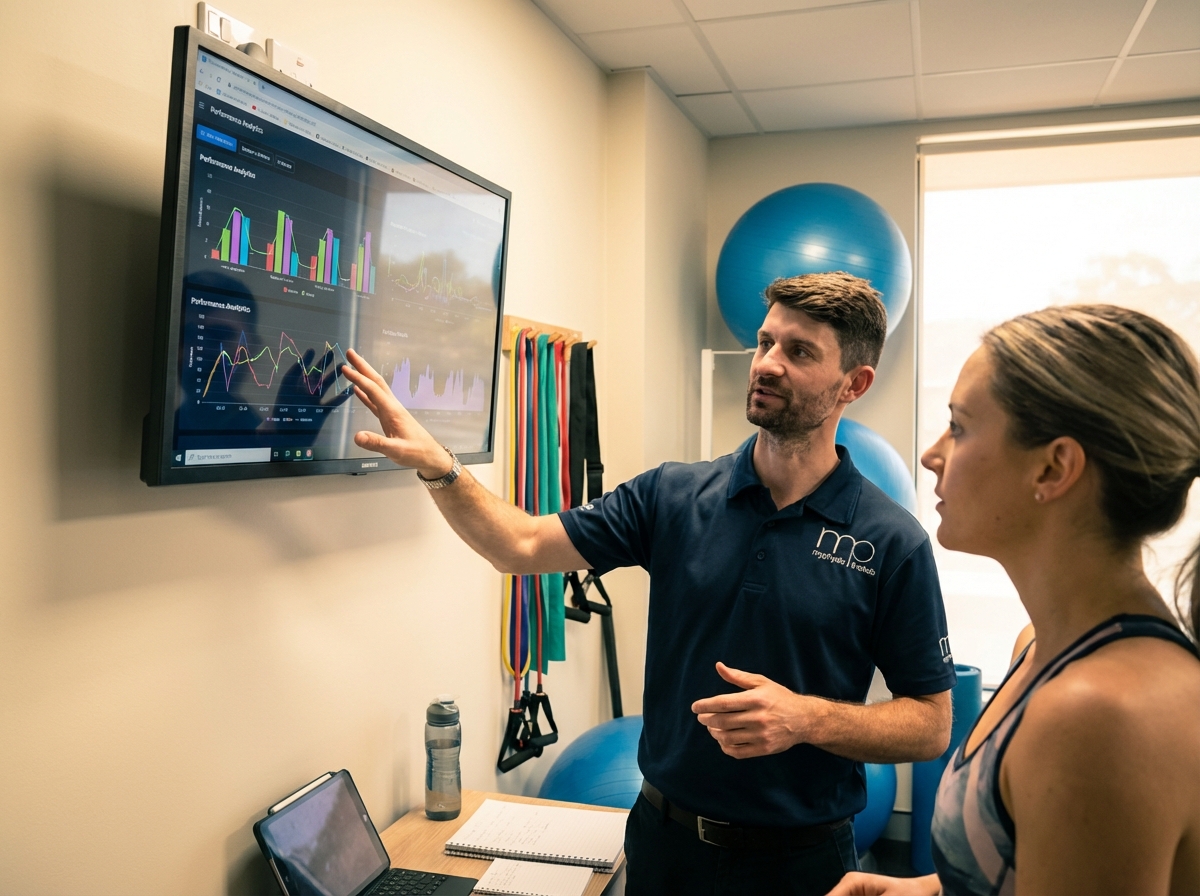
With your personalized plan in place, the focus shifts to monitoring and improving your performance over time. Regular assessment ensures you’re on the right track.
Athlete Testing for Progress
Testing isn’t just for the pros. Regular lactate threshold testing provides valuable feedback on your training effectiveness. It highlights areas of improvement and confirms what’s working. This isn’t about complex lab tests; it can be as simple as a structured workout or a time trial. The data collected helps you adjust your plan to ensure continued progress.
Most athletes think they can wing it. But without testing, you’re flying blind. Incorporating regular testing sessions ensures you’re moving in the right direction. It acts as a compass, guiding your training decisions and keeping you aligned with your goals. Check out how lactate threshold testing can fine-tune your performance.
Tracking Physiological Adaptations
Your body adapts to the stresses placed on it. By tracking these adaptations, you gain insights into how your training affects your performance. Regularly measuring your heart rate, pace, and perceived exertion provides a clear picture of your progress. This data is invaluable for tweaking your training plan.
Remember: the longer you wait to track these changes, the harder it becomes to adjust. By monitoring adaptations, you stay proactive, making informed decisions about your training. This approach ensures you’re not just training hard, but training smart, leading to consistent improvements over time. For more on tracking adaptations, visit this resource.
In conclusion, understanding and leveraging your lactate threshold can transform your training approach. It gives you the power to train smarter, not harder, leading to significant improvements in your endurance and performance.